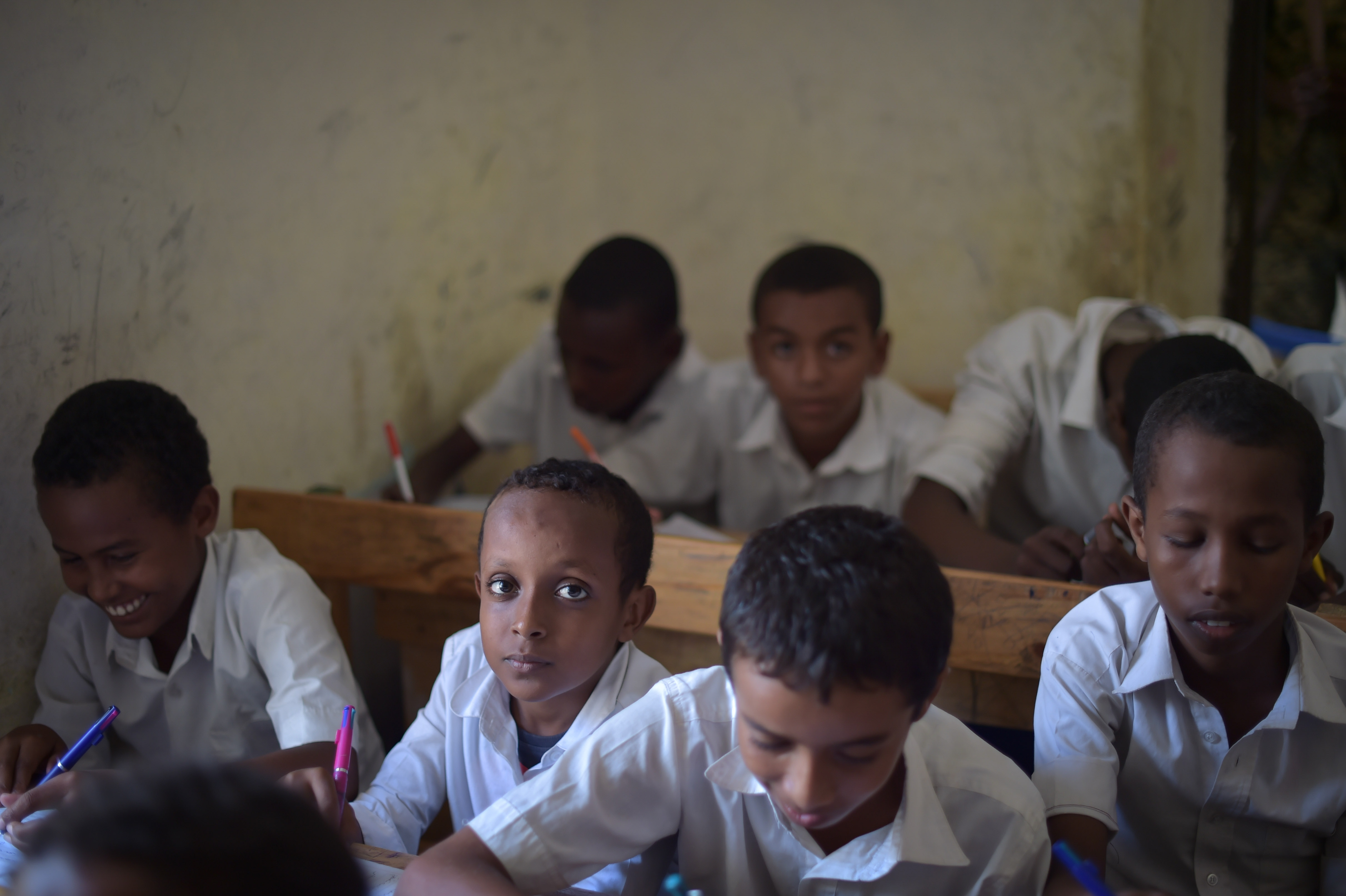
Education is one of the most valuable investments a society can make. A child who learns to read, calculate and think critically gains a foundation for further study, skilled work, business and participation in community life. In Somalia, the value of education is especially clear in the need for trained teachers, health workers, engineers, technicians and capable public and private sector professionals.
UNICEF Somalia reports that more than three million children are out of school. The barriers include household poverty, long distances to school, safety concerns, shortages of teachers and learning materials, and inadequate water and sanitation facilities. These challenges do not affect every child in the same way. Girls, children with disabilities and children in underserved communities can face additional obstacles.
The answer is not simply to build more classrooms. Schools need trained teachers who are supported and paid reliably, suitable books and learning materials, safe toilets, clean water and an environment in which every child is encouraged to learn. Parents and local communities should be consulted about school locations, student needs and the reasons children may be absent.
Technical and vocational education also deserves greater attention. Not every young person will follow a university pathway, but everyone should have access to quality skills training. Electrical work, construction, modern agriculture, computing, languages and business management can provide different routes into employment and self-reliance.
Education should be measured not only by enrolment, but also by attendance, completion and what children actually learn. A child’s place of birth should not determine the quality of the opportunity available to them.
Learning quality and staying in school
Building a school is only the beginning; education quality depends on what students actually learn. Teachers need regular training, books, learning materials and management support. Overcrowded classes, teacher shortages and absenteeism can weaken learning even when children are enrolled. Progress should therefore be measured through literacy, numeracy, attendance and completion, not the number of classrooms alone.
Parents and school leaders can work together to understand why children miss classes and what would help them return. Children who have missed schooling may need catch-up classes or flexible learning options. Vocational education should connect with local needs such as electrical work, construction, agriculture, animal health, computing and business management. Schools must also be safe and accessible so that girls and children with disabilities can participate on equal terms.
Image: Somali pupils in a classroom in Barawe, 2016. Photo: AMISOM Public Information; CC0 1.0. Image source · Image licence.
Barriers to accessing education
A child who is not attending school is not necessarily a child who does not want to learn. A family may be unable to afford registration, transport, clothing or learning materials; the nearest school may be too far away; or the child may live in an area affected by displacement, drought or insecurity. Some girls face additional barriers related to safety, sanitation and the availability of female teachers. Children with disabilities may need accessible buildings, assistive materials and adapted teaching approaches that are not yet available in every school. UNICEF Somalia reports that more than three million children are out of school and identifies overcrowded classrooms, limited books and shortages of trained teachers as major concerns.
Learning quality and the role of teachers
Building a school does not prove that children are learning. Quality can be seen when a child can read, understand what has been read, solve basic mathematics, ask questions and apply knowledge. Teachers need initial and continuing professional development, books, materials, suitable classrooms and support from school leaders. School managers should monitor attendance, learning outcomes, dropout rates and the reasons children miss school. Parents need accessible ways to communicate with teachers and support their children’s progress.
Language, skills and links to work
The language of instruction should be one students can understand, while preparing them to learn Somali, Arabic, English or other languages needed for further study and employment. Learning an additional language should build on a sound grasp of subject foundations rather than prevent children from understanding lessons. Technical and vocational education should connect with local needs, including electrical work, construction, maintenance, agriculture, animal health, fishing, computing and business management.
Training centres, secondary schools, universities and local businesses can work together on workplace learning, placements and mentoring. Students can then connect classroom knowledge with how a skill is used in practice. Young people also need accurate information about skills in demand, rather than being encouraged to follow only one educational pathway.
Inclusive education and measurable progress
To assess progress, education data should show differences by age, gender, disability, location and level of schooling while protecting children’s privacy. Schools, parents, local authorities and education agencies can work together to bring out-of-school children back to learning, support teachers and improve safety and sanitation. The goal is not merely to enrol children, but to provide good-quality education that they can continue and complete.


